
Industries Fueling the Hydrogen Economy
Gases / Industries / Insights
In recent years, hydrogen has moved from being a niche energy source to becoming a central player in the global shift toward cleaner, more sustainable solutions. Governments, corporations, and innovators alike are investing in hydrogen because of its potential to decarbonize industries that have traditionally relied on fossil fuels.
For businesses that purchase hydrogen today—or are considering expanding its role in their operations—it’s important to understand where the demand is coming from and how different industries are helping to fuel the hydrogen economy.
The Hydrogen Economy at a Glance
Hydrogen is the most abundant element in the universe, and when used as a fuel, it produces only water as a byproduct. This makes it a powerful tool for reducing greenhouse gas emissions, especially in sectors where electrification alone cannot provide a practical solution.
Today, hydrogen is used across multiple industries, from traditional refining to advanced energy storage. But what’s exciting is how these applications are scaling and diversifying, laying the groundwork for a broader hydrogen economy.
Energy & Power Generation
Energy producers are among the leading adopters of hydrogen technologies. Hydrogen can be used in fuel cells to produce electricity or blended with natural gas to reduce the carbon intensity of power generation. In areas with high renewable energy capacity, excess solar or wind power can be used to produce “green hydrogen” through electrolysis, storing energy for when demand is high. For utilities and energy companies, hydrogen offers both a clean fuel alternative and a way to improve grid resilience.
Refining & Petrochemicals
Hydrogen has long been an essential input for refining processes. It’s used to remove sulfur from fuels, produce ammonia, and support chemical manufacturing. What’s changing now is the push toward cleaner hydrogen—produced from renewable energy rather than fossil fuels.
For refineries and petrochemical facilities, the challenge lies in transitioning from traditional “gray hydrogen” (derived from natural gas) to “blue” or “green” hydrogen. Businesses in this sector are investing heavily in carbon capture and electrolysis to meet sustainability goals without disrupting critical production.
Heavy Industry & Manufacturing
Some heavy industries—like steel, cement, and glass—are particularly challenging to decarbonize because their production processes rely on extremely high heat. Hydrogen provides a viable solution, serving as both a fuel and a reducing agent in processes like direct-reduced iron (DRI) steelmaking.
Companies in these industries are piloting hydrogen-based systems to cut emissions without compromising efficiency. As hydrogen infrastructure expands, manufacturing facilities that adopt hydrogen early will be positioned ahead of regulatory changes and rising sustainability standards.
Transportation & Mobility
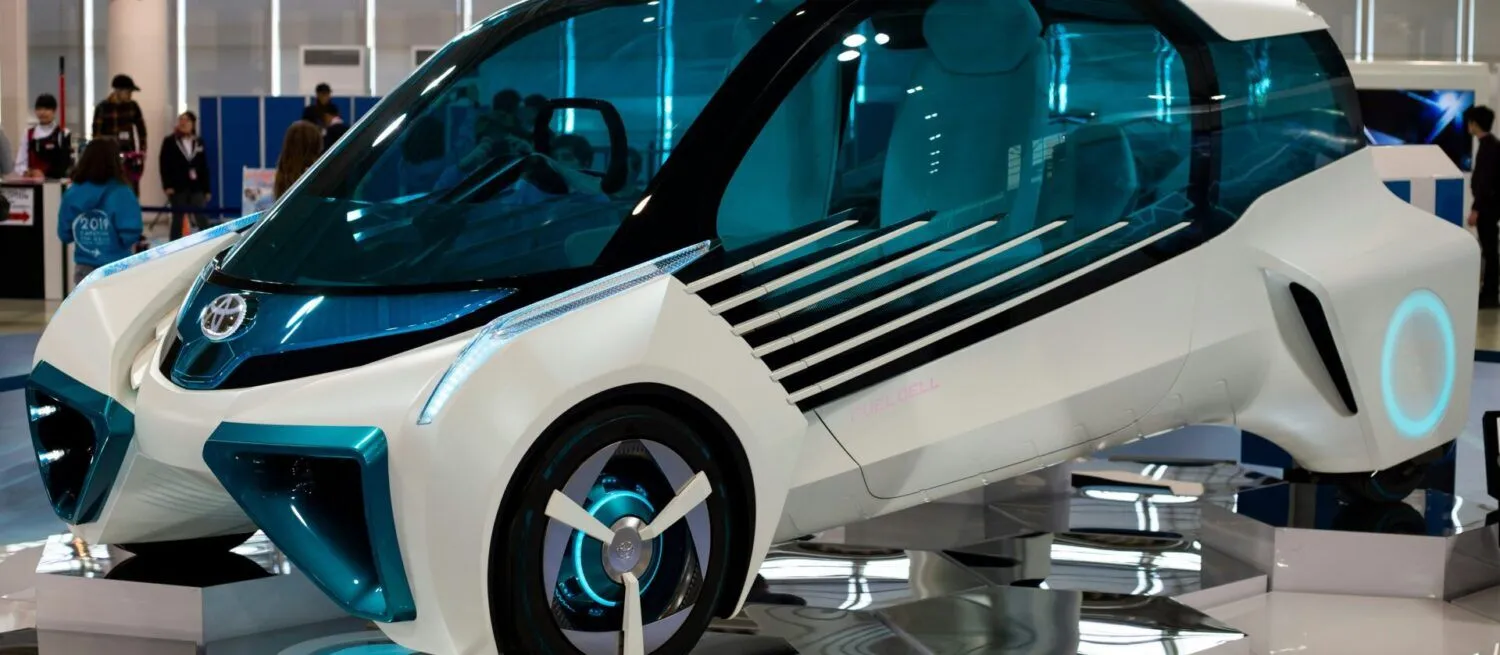
Transportation is perhaps the most visible driver of the hydrogen economy. While battery-electric vehicles dominate passenger transport, hydrogen fuel cells are emerging as the preferred option for heavy-duty, long-haul, and fleet operations.
– Trucking: Hydrogen-powered trucks can travel long distances with shorter refueling times compared to batteries.
– Public Transit: Cities are adopting hydrogen buses as part of clean fleet initiatives.
– Aviation & Shipping: Both sectors are exploring hydrogen as a sustainable fuel option, with prototypes already in testing.
For logistics companies and fleet operators, hydrogen provides a way to reduce emissions without sacrificing range or reliability.
Agriculture & Food Production
Hydrogen also plays a critical role in agriculture, most notably in the production of ammonia-based fertilizers. As global demand for food rises, so does the demand for hydrogen in this sector. Green hydrogen provides the opportunity to produce fertilizers with a much smaller carbon footprint, aligning with both sustainability goals and consumer expectations for cleaner food systems.
Emerging Sectors: Tech, Healthcare, and Beyond
Beyond these major industries, smaller but growing markets are beginning to incorporate hydrogen. Data centers are exploring hydrogen fuel cells as backup power sources, providing cleaner alternatives to diesel generators. In healthcare, hydrogen fuel cells can power hospitals and critical facilities, ensuring reliable energy even during grid outages.
These emerging uses show how versatile hydrogen can be—and hint at the wide-reaching impact it will have in the coming decades.
The Business Case for Hydrogen
For companies purchasing hydrogen, the question is no longer if hydrogen will become a major part of the energy landscape—it’s how fast adoption will accelerate. Businesses that integrate hydrogen now are not only meeting regulatory and sustainability goals but also positioning themselves as leaders in efficiency, innovation, and environmental responsibility.
Hydrogen offers:
– A pathway to lower emissions without compromising productivity.
– Opportunities for innovation in manufacturing, energy, and transportation.
– The ability to meet growing customer and stakeholder demands for cleaner operations.
The hydrogen economy is no longer a distant vision—it is being built today by the industries that rely on this versatile gas. Energy, refining, manufacturing, transportation, agriculture, and emerging sectors are all demonstrating the practical benefits of hydrogen.
For businesses, this is both an opportunity and a responsibility. By investing in hydrogen, companies can future-proof operations, gain a competitive edge, and contribute to a cleaner, more sustainable economy.
Hydrogen at Rocky Mountain Air
Rocky Mountain Air offers liquid or compressed hydrogen in various concentrations and purities. We also offer bulk hydrogen options for our partners, such as tanks and trailers. Contact your local branch today in Colorado, Utah, Idaho, Wyoming, or Nebraska to discuss your hydrogen uses, or to set up a usage evaluation. We look forward to serving you with flawless dependability!

